

Quality Inspection System AQI
Safeguard your quality
Vision inspection technology system costs have come down and capabilities have dramatically increased. Engenesys can effectively integrate a system into your production line or create a completely new piece of equipment to ensure your product is 100% to spec. Whether you need to inspect parts before they go to the next operation or into their final box, we design a solution that works.
For both stepped or continuous flow processes, we have the experience to apply the proper camera, lighting and control system to check for multiple defects. Inspection can include feature quality, measurement, reading text and general part presence. One camera can replace numerous electronic sensors. Contact us to learn more.

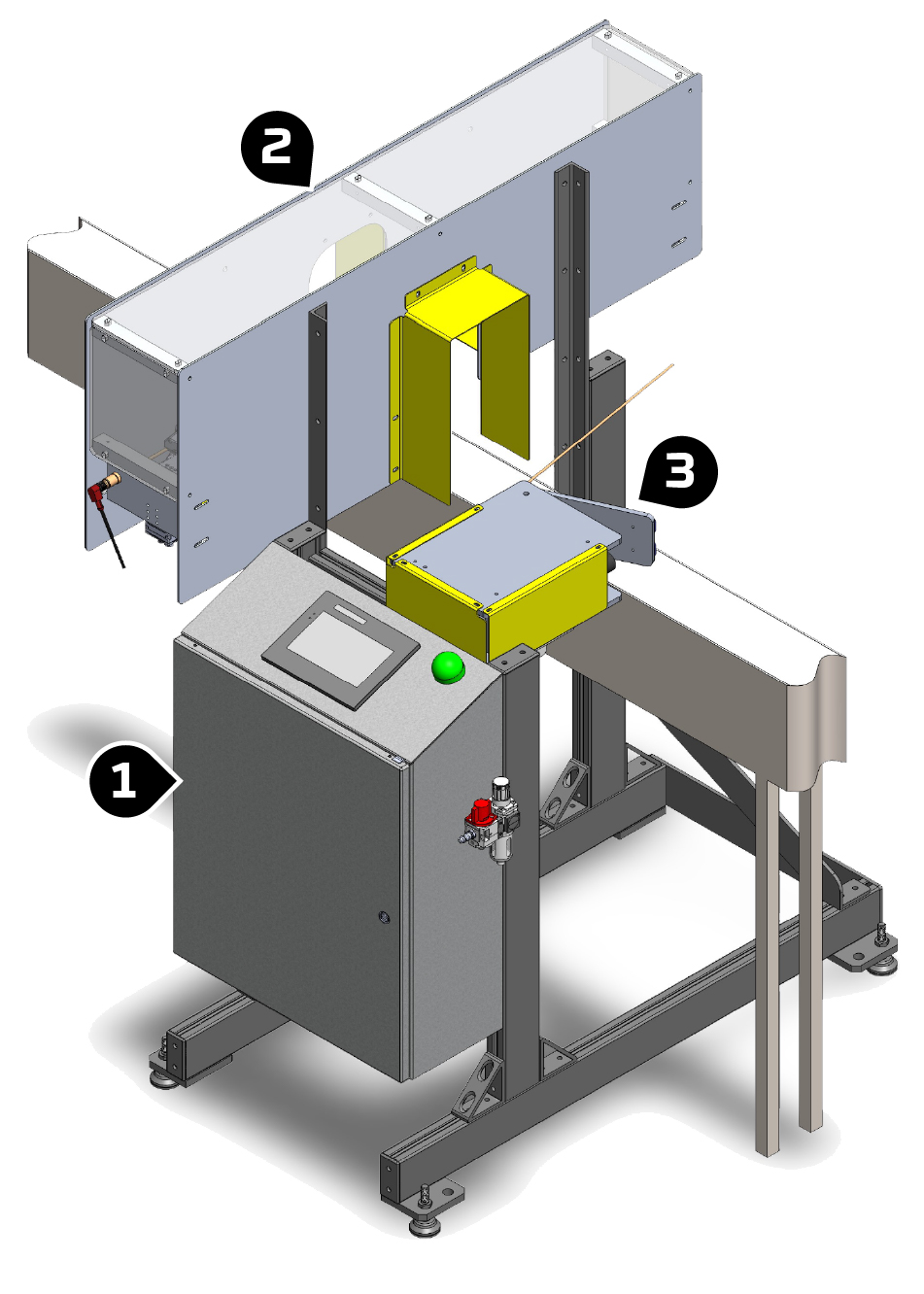
Line side base station

Vision inspection

Reject mechanism
UNIQUE FEATURES AND BENEFITS:
2D Vision
3D Vision
Barcode Reading
Deep Learning / AI
PRODUCT FORMATS

WHY AUTOMATED INSPECTION?
Improved Quality Control
- Detects defects with high precision.
- Ensures uniformity and consistency in products
- Helps maintain compliance with regulatory standards (e.g., FDA, ISO, GMP).
Faster Inspection Speeds
- Operates much faster than human inspectors, especially on high-speed production lines.
- Can inspect hundreds or thousands of units per minute.
Reduced Human Error
- Humans can miss defects due to fatigue or subjectivity.
- Automation offers consistent, unbiased inspections 24/7.
Cost Savings Over Time
- Reduces the need for manual inspection labor.
- Minimizes waste, rework, and recalls, which are costly to fix after the fact.
Real-Time Feedback and Data
- Provides instant alerts if defects or anomalies are detected.
- Enables real-time process adjustments to prevent further defects.
- Generates data logs for traceability, analytics, and continuous improvement.
Increased Throughput
- Ensures inspection keeps up with automated production speeds without becoming a bottleneck.
- Enables higher production volumes without compromising quality.
Enhanced Safety
- In food and pharma, it ensures contaminated or defective products don’t reach consumers.
- In manufacturing, it can detect safety or mislabeling issues before products are assembled or shipped.
Supports Industry 4.0 and Smart Manufacturing
- Easily integrates with Industry 4.0 Systems.
- Helps manufacturers move toward predictive maintenance and automated decision-making.
Common Applications:
- Label verification in packaging
- Surface defect detection in metals or plastics
- Seal integrity checks in food containers
- Dimensional accuracy in precision parts
- Foreign object detection in pharmaceuticals or food
Autoinspect Models
Engenesys has executed hundreds of custom automation projects. The projects highlighted below provide specific examples of Engenesys capabilities.
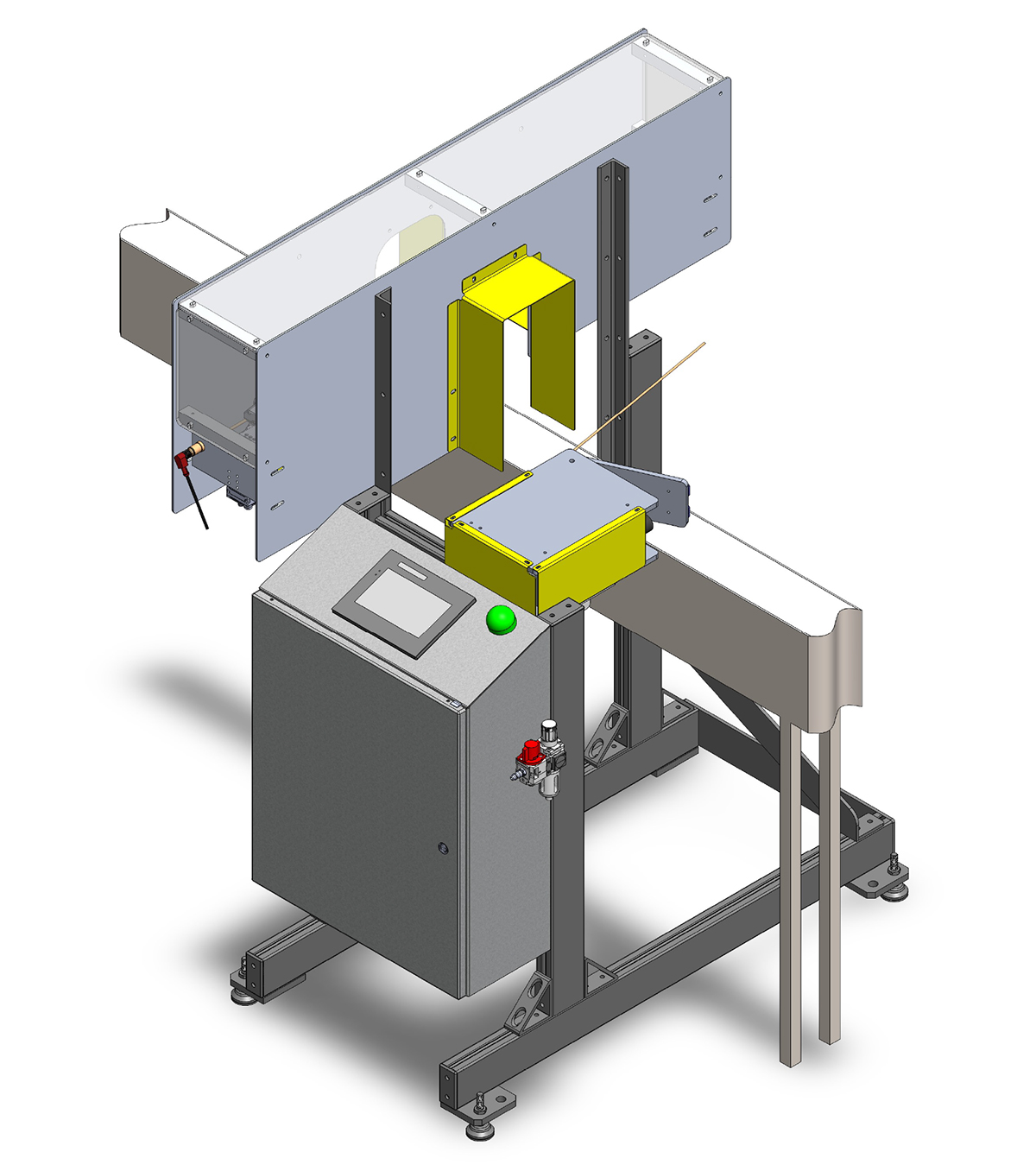
AQI-LS Line Side Inspection Machine
Our line-side system can inspect a variety of conveyed product in new or existing manufacturing processes. This modular, cantilevered machine includes a defective product reject and operates at speeds up to 200 products/minute. Typical inspections include bar code or date code verification, closure confirmation and container defect inspection.
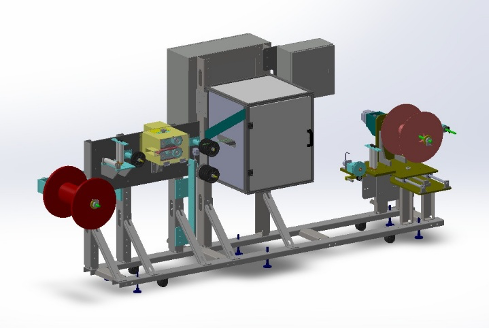
AQI-WFM Wound Material Inspection
A flexible, wide ranging machine for inspecting a variety of cord and wound materials. A spool of finished material is mounted at one end of the machine and threaded into the drive system. The material is unwound, passed through a multi-camera inspection and then rewound onto a spool at the opposite end of the machine. Machine operates at up to 300’/minute and stops for removal of any detected defects.